405-722-7071

Implant-Supported Dentures Explained: Procedure, Benefits, and Aftercare
Missing teeth can impact more than just your confidence. It can affect your ability to speak clearly, eat properly, and negatively impact your self-esteem. While traditional dentures have helped many people for years, they also come with several issues, such as slipping while eating or drinking, clicking sounds when talking, and the need to use adhesives constantly.
If you have ever experienced these types of issues with your denture, you are not alone. Many others have experienced the same frustration and are looking for a natural, permanent alternative. That is where implant-supported dentures offer a more recent solution that combines the reliability of dental implants and the coverage of dentures.
In this blog, we’ll walk you through everything you need to know about implant-supported dentures, from how they work to what you can expect during recovery.
What Are Implant-Supported Dentures?
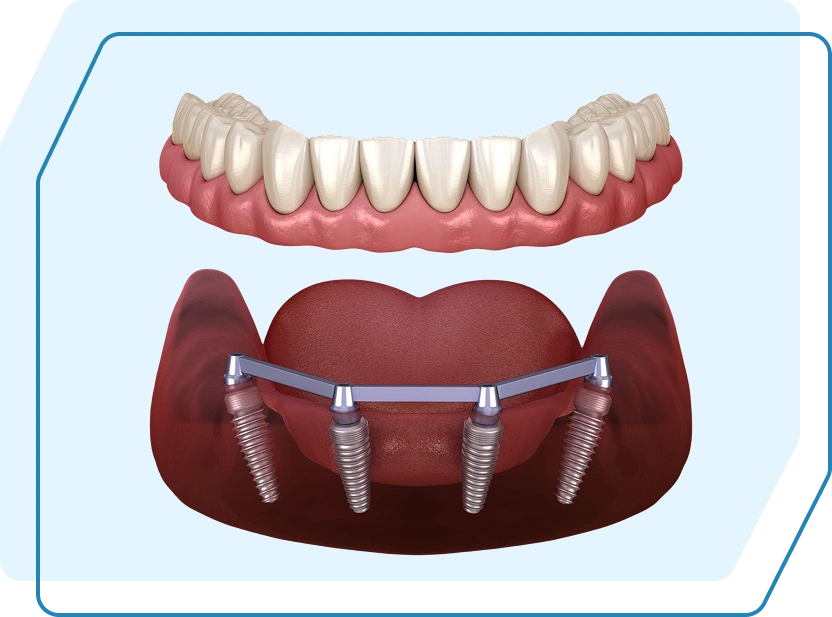
Implant-support dentures are a type of overdenture that is secured to dental implants placed within your jawbone. Unlike traditional dentures, which rest on your gums, implant-supported dentures are secured by titanium posts that function as tooth roots.
There are two main types of denture options available for securing implant dentures in Oklahoma City:
- Bar-retained dentures: A thin metal bar follows the curve of your jaw and connects to the implants. The denture clips onto this bar.
- Ball-retained dentures: Each implant has a ball-shaped attachment that fits into sockets on the denture base.
Both types provide a significantly more stable foundation than traditional types of dentures.
The Procedure: Expectation
Getting Implant-supported dentures generally requires multiple dental visits over several months. The procedure you would follow will depend on your specific dental needs.
Initial Consultation and Planning
When you first visit your dentist for dental implants, they will conduct an exam of your mouth, take X-rays or use a 3D scan of your jawbone, and check for jawbone density. If your jawbone has become weak due to missing teeth, your jawbone may require a bone graft before placing your implants.
Placement Surgery of the Dental Implants
Your dentist will surgically place titanium posts into your jawbone as part of the dental implant procedure. Most patients will require 4 to 6 dental implants to support an upper or lower complete denture; however, the number of implants may vary depending on the size and shape of your jawbone. Your dental implant surgery will be completed under local anaesthesia or sedation to ensure you are comfortable and pain-free during the procedure.
Healing Period
After dental implants have been placed in your jawbone, they will require time to bond to your jawbone during the osseointegration process. Osseointegration takes roughly three to six months; you will wear temporary dentures during this time.
Attaching the Dentures
After your dental implants have successfully osseointegrated, your dentist will attach your permanent dentures to the implants. Your dentist will make adjustments to ensure proper fit and correct bite.
Benefits of Choosing Implant Dentures
Improved Stability and Comfort
The significant advantage of implant-supported dentures over traditional dentures is their greater stability. You will not have to worry about your dentures slipping or sliding while eating or talking. After wearing implant-supported dentures, you will also feel more confident participating in social activities.
Improved Chewing Ability
With an implant denture, you can chew more forcefully (up to 70% of your natural bite strength) than with a traditional denture (approximately 25%). Therefore, you can now eat the foods you were previously too scared to eat, such as crunchy vegetables, tender steak, and fresh apples.
Jaw Bone Maintenance
If you have lost natural teeth, you may have noticed that your jawbone has shrunk over time; this happens because there are no longer any stimulating forces acting on the jawbone. By using dental implants, you can provide your jawbone with the same stimulating effects as natural teeth, thus preserving its shape and preventing it from appearing “sunken-in.”
Long-Term Value
Although they are more expensive at first, implant dentures in Oklahoma City can last 10-15 years. Conventional dentures have a lifespan of 5-7 years.
Aftercare: Maintaining Your Implants’ Health
Proper oral hygiene practices will ensure your investment serves you for many years
Daily Cleaning Routine
- Take off and clean your dentures after eating
- Use a soft-bristle brush to brush the denture thoroughly
- Clean around the attachments where the implants are located, using a specific interdental brush.
- Use water or antibacterial mouthwashes to rinse your mouth.
Regular Dental Visits
Schedule checkups every six months. Your dentist will:
- Examine the implants for any issues
- Check the fit of your dentures
- Perform professional cleaning
- Make necessary adjustments
What to Avoid
Do not bite on hard materials such as ice or hard candy. Although implant dentures are very strong, you may still break them or damage the implants if you use too much biting or chewing force. In addition, do not smoke since it may lead to failure of the implant.
Signs to Watch For
Contact your dentist if you notice:
- Looseness in the denture or implants
- Persistent pain or inflammation
- Bleeding around the implant sites
- Difficulty chewing
Are You a Good Candidate?
The vast majority of patients requiring dentures will be good candidates for implant dentures, with the exceptions being:
- Strong bone density: The jawbone should be strong enough for implant support
- Good overall health: Issues such as uncontrolled diabetes can impact healing
- Nonsmoker: Smoking impairs implant success outcomes
- Oral Hygiene: Daily care is imperative
Your dentist will evaluate your case during the consultation.
Ready to Restore Your Smile?
Dental implants for denture support mean that you will be able to live a life of full functionality, because you will not be limited by the restrictions that come with conventional dentures.
If you’re considering this option, Oklahoma Implant & Sedation Dentistry can help you determine if implant dentures in Oklahoma City are right for you. Our team specializes in creating comfortable, natural-looking solutions tailored to your needs.
Schedule Your Consultation Today
Do not let the problems caused by lost teeth stop you anymore. Contact Oklahoma Implant & Sedation Dentistry to make informed decisions about dental implants to support dentures and restore confidence in smiling, eating, or speaking.
FAQs
How long will the entire implant denture process take?
This will take 4-6 months from start to finish, including the healing time required to fuse the implants to your jawbone.
Is the surgery to place an implant painful?
Most patients experience little pain. Anesthesia is used during surgery, and if pain is experienced after surgery, over-the-counter pain medication will resolve the issue.
Can I sleep with my implant-supported dentures?
Yes, many individuals do. But then again, some dentists advise taking them out at night to give your gums a break. Seek the advice of your dentist.
What if I don’t have enough bone for implants?
Bone grafting may be used to rebuild the jawbone to accommodate implants. This prolongs the period but makes implants an option for most people.
Are everyday eating habits possible with implant dentures?
Yes. Once healed, you can comfortably enjoy most types of foods. Softer foods should be eaten when adjusting to breastfeeding.