405-722-7071

Dental Implants Explained: Benefits, Treatment Process, and Ongoing Care
Tooth loss affects more people than most realize. According to the American College of Prosthodontists, roughly 178 million Americans are missing at least one tooth, and about 40 million are missing all of their teeth. Those aren’t just statistics – behind each one is a real person dealing with changes to how they eat, speak, and feel about their smile.
Dental implants have become the most trusted long-term solution for tooth loss, and for good reason. If you’ve been looking into dental implant options, Oklahoma City has a dedicated practice, Oklahoma Implant and Sedation Dentistry, offering comprehensive care tailored to each patient’s needs. This guide covers everything you need to know: what implants are, what the process actually looks like, and how to keep them in great shape long after the procedure.
What Are Dental Implants?
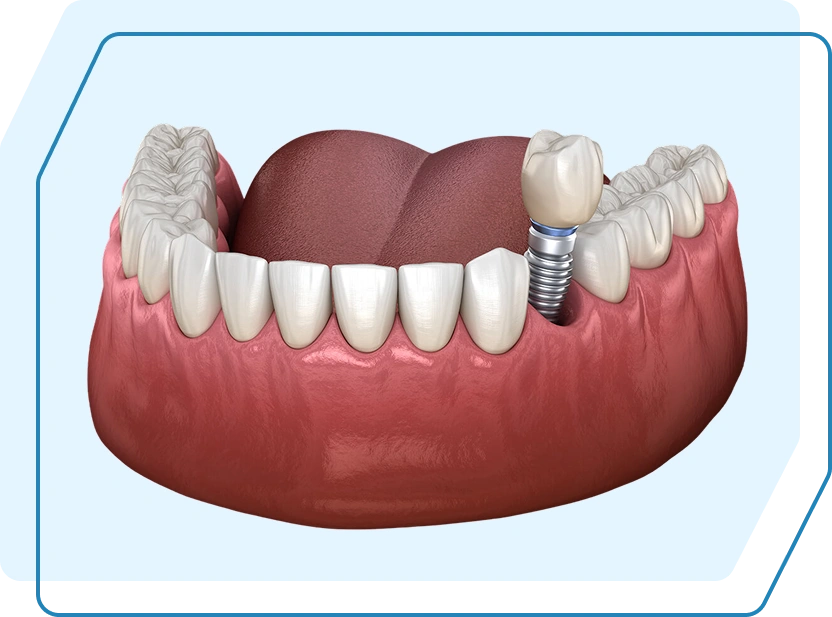
A dental implant is a small titanium post surgically placed into the jawbone to act as an artificial tooth root. Once the post fuses with the bone through a process called osseointegration, a connector piece (the abutment) and a custom crown are attached on top. The result looks, feels, and functions like a natural tooth.
Depending on how many teeth you’re replacing, there are a few types of restorations: single-tooth implants, implant-supported bridges, and full-arch options such as All-on-4 or All-on-6. Among the dental implant options Oklahoma City patients typically explore, full-arch restorations have become increasingly popular for those who’ve lost most or all of their teeth and want a permanent, fixed solution.
The Benefits That Make Implants Stand Apart
It’s worth understanding why implants are consistently recommended over other tooth replacement options, such as dentures or traditional bridges.
They Preserve Bone
When a tooth is lost, the jawbone beneath it begins to deteriorate because there’s no longer a root stimulating it. Implants replicate that stimulation, keeping the bone intact. This prevents changes in facial structure, such as sunken cheeks and a shortened lower face, that often accompany long-term tooth loss and denture use.
They Function Like Natural Teeth
Implant-supported crowns don’t slip. They don’t require adhesive. You eat what you want, speak clearly, and clean them the same way you would natural teeth. That kind of reliability is something neither dentures nor bridges can fully replicate.
They Last
A well-placed implant, properly cared for, can last decades and in many cases, for life. The crown may need replacement after 10 to 15 years, depending on wear, but the implant post itself is remarkably durable. Studies published in the International Journal of Oral and Maxillofacial Implants show long-term implant survival rates consistently above 95%.
What the Treatment Process Looks Like
One of the most common questions people have isn’t about whether implants work – it’s about what getting them actually involves. Here’s a clear breakdown of the process so you know what to expect.
Initial Consultation and Treatment Planning
This first appointment is more detailed than a typical dental visit. Your provider will take 3D cone beam CT scans to assess your bone density, jaw structure, and the position of nerves and sinuses. This imaging enables precise implant placement. Your medical history, current medications, and any habits like smoking will also be reviewed, since these factors can affect healing.
Preparatory Procedures (If Needed)
Not every patient is immediately ready for implant placement. Some people need a bone graft first to rebuild density in areas where bone has deteriorated. Others may need a tooth extraction or treatment for active gum disease. These steps aren’t complications – they’re part of making sure your implant has the best possible foundation.
Implant Placement Surgery
The implant post is surgically placed into the jawbone under local anesthesia. Sedation options are often available for patients who are anxious about the procedure — this is something Oklahoma Implant and Sedation specializes in, making the experience much more comfortable for patients who have avoided dental care due to anxiety. Most patients report that the procedure is far less intense than they expected.
Healing and Osseointegration
After placement, you’ll wait several months while the implant fuses with the bone. This healing phase is critical – it’s what gives the implant its long-term stability. During this time, a temporary crown is often placed to keep the space from going unfilled.
Crown Placement and Final Restoration
Once osseointegration is confirmed, the abutment is attached, and a custom crown matched to the color and shape of your surrounding teeth is placed on top. At this point, the process is complete. The implant looks and functions like a natural tooth from day one.
Ongoing Care: Protecting Your Investment
Implants can’t develop cavities, but that doesn’t mean they’re maintenance-free. The gum tissue and bone around each implant still need regular attention. Here’s what a solid implant care routine looks like:
- Brush twice daily with a soft-bristle toothbrush and non-abrasive toothpaste
- Floss daily or use a water flosser to clean around the implant base
- Avoid chewing on ice or very hard foods that could fracture the crown
- Wear a nightguard if you grind your teeth during sleep
- Keep up with professional cleanings at least twice a year
Peri-implantitis – a bacterial infection of the tissue surrounding an implant is the leading cause of late implant failure. It’s largely preventable with consistent hygiene and regular check-ups. Catching early inflammation before it progresses to bone loss makes all the difference.
Tooth loss doesn’t have to be permanent. Dental implants offer a reliable, long-lasting path to restoring full function and a natural-looking smile, and the process is more straightforward than most people expect. The sooner bone loss is addressed, the more options remain available to you.
Schedule a consultation with Dr. David Lawrence, a trusted dentist in Oklahoma, today. Our team will review your imaging, discuss your unique situation, and create a treatment plan tailored to your needs. Your next chapter starts with one appointment.
People Also Ask
How long does the entire implant process take from start to finish?
It varies depending on whether preparatory work is needed, but a typical single-tooth implant process takes between 3 and 6 months. Full-arch cases may take longer. Much of that time is simply waiting for the bone to heal and fuse around the implant – the active treatment time is much shorter.
Does getting a dental implant hurt?
The procedure itself is performed under local anesthesia, so you shouldn’t feel pain during placement. Some soreness and mild swelling in the days following surgery are normal and manageable with over-the-counter pain medication. Most patients find the recovery much easier than they anticipated.
Can implants be placed the same day a tooth is extracted?
In some cases, yes. Same-day or immediate implant placement is an option when the extraction site has sufficient bone and no active infection. However, it’s not appropriate for every situation – your dentist will determine whether the timing works based on your individual anatomy and oral health.
What should I avoid eating after implant surgery?
During the initial healing period, stick to soft foods, such as yogurt, eggs, mashed potatoes, smoothies, and soups. Avoid anything crunchy, hard, or chewy that could put pressure on the surgical site. Hot foods and drinks should also be limited in the first 24 hours. Your care team will give you specific post-op instructions based on your procedure.