405-722-7071

Dental Implants Last 25+ Years: What Extends or Shortens Yours?
Many Oklahoma City patients ask the same question before committing to implants: how long will they actually last? The honest answer is that dental implants can last 25 years or more — often a lifetime. But longevity depends on more than just the procedure itself. Understanding what extends or shortens your implant’s lifespan helps you protect your investment from day one. At Oklahoma Implant and Sedation Dentistry, Dr. David Lawrence helps patients in Oklahoma City make informed, confident decisions about long-term tooth replacement.
Why Dental Implants Are Built for Long-Term Use in Oklahoma City
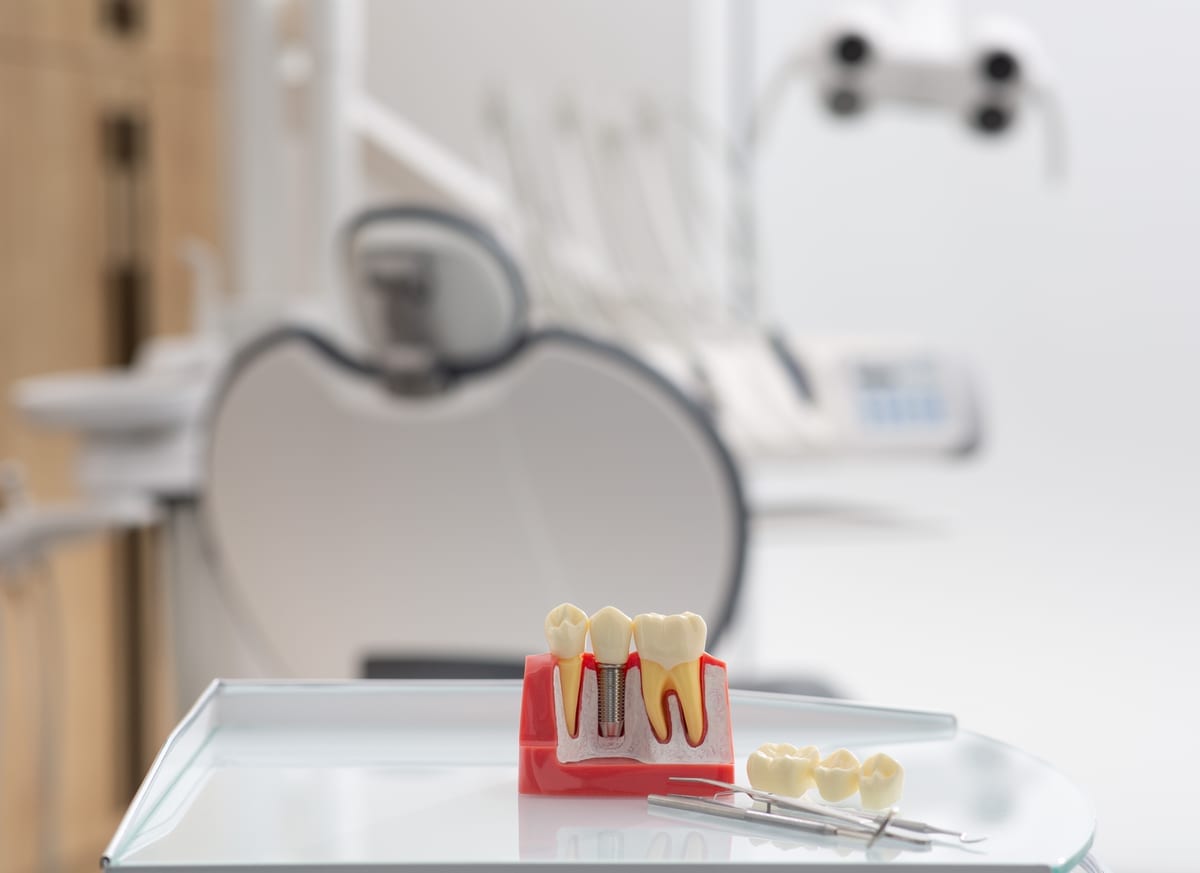
Dental implants are not like other restorations. They are titanium posts placed directly into your jawbone, where they fuse through a process called osseointegration. This bond makes them function like natural tooth roots. No other tooth replacement option provides that level of stability and durability.
Studies consistently show that implants have a 95–98% success rate at the 10-year mark. Many patients reach 25 years with no major complications. The crown on top may need replacement every 10–15 years, but the implant post itself often outlasts it significantly.
This is why implants are considered a permanent solution — not a temporary fix. Oklahoma City patients who plan ahead and commit to proper care frequently enjoy decades of trouble-free function.
Factors That Shorten Dental Implant Lifespan
Not every implant lasts 25+ years. Several habits and health conditions can significantly reduce longevity. Knowing the risks helps you avoid them before they become problems.
Here are the most common factors that shorten implant lifespan:
- Smoking and tobacco use — Tobacco restricts blood flow and slows healing after placement. It dramatically increases the risk of implant failure.
- Poor oral hygiene — Bacteria buildup leads to peri-implantitis, an infection around the implant that can cause bone loss.
- Uncontrolled diabetes — High blood sugar impairs healing and increases infection risk around the implant site.
- Teeth grinding (bruxism) — Constant pressure from grinding wears down the crown and can loosen the implant over time.
- Skipping dental checkups — Small problems go undetected and grow into larger, harder-to-treat issues.
- Bone loss before placement — Insufficient jawbone density can lead to implant instability without bone grafting first.
Dr. Lawrence evaluates all of these risk factors before recommending implants. Identifying issues early allows the team to address them proactively.
What Extends Dental Implant Longevity
The good news is that most longevity factors are within your control. Patients who take implant care seriously consistently see better long-term outcomes. Small daily habits make a significant difference over decades.
These practices help your implants last 25 years or more:
- Brush twice daily — Use a soft-bristled toothbrush around the implant crown and gumline every morning and night.
- Floss daily with implant-safe floss — Unwaxed tape or water flossers clean effectively around implant posts without causing damage.
- Attend regular checkups — Professional cleanings remove tartar that home brushing misses. Early detection prevents major complications.
- Wear a nightguard if you grind — A custom guard from Dr. Lawrence protects both the crown and the implant post from excessive force.
- Quit smoking — Even quitting after placement significantly improves healing outcomes and long-term success rates.
- Manage systemic health conditions — Keeping blood sugar, blood pressure, and other health markers stable supports implant integration.
Your Dental Assistant Team Member Oklahoma City plays a key role in your ongoing implant health. They monitor tissue, bone levels, and crown integrity at every visit.
How Implants Compare to Other Tooth Replacement Options
To understand implant longevity, it helps to compare alternatives. Traditional dentures typically last 5–7 years before needing replacement or relining. Dental bridges average 10–15 years with proper care.
Implants, by contrast, routinely last 25+ years. The implant post itself may never need replacement. Only the crown above the gumline experiences wear over time.
For patients who want a longer-term option, Implant Dentures Oklahoma City offer a middle ground. They combine the stability of implant posts with the coverage of a denture — and they last significantly longer than conventional removable dentures.
Dr. Lawrence helps patients evaluate which solution fits their health, lifestyle, and long-term goals. Every recommendation is based on individual assessment, not a one-size-fits-all approach.
The Role of Bone Health in Implant Longevity
One factor patients often overlook is jawbone health. Implants require sufficient bone density to integrate properly. Without it, even a well-placed implant can fail prematurely.
After tooth loss, the jawbone begins to shrink. This process accelerates over time without stimulation from a tooth root. Implants reverse that process — they stimulate the bone just like a natural root does.
Patients who wait years after tooth loss may need bone grafting before implant placement. Dr. Lawrence assesses bone volume with imaging technology before creating any treatment plan. Addressing bone loss early gives implants the best possible foundation for long-term success.
Oklahoma City patients who act sooner after tooth loss typically have better bone volume and simpler placement procedures. Early action supports both immediate and long-term outcomes.
What to Expect at Oklahoma Implant and Sedation Dentistry
Dr. Lawrence takes a thorough, patient-centered approach to implant care. Every new implant patient receives a complete evaluation that includes bone assessment, health history review, and a full discussion of longevity factors. Nothing is rushed.
The practice also offers sedation dentistry options for patients who feel anxious about procedures. Comfort during treatment helps patients stay consistent with their dental care long-term — which directly supports implant longevity.
After placement, the team provides detailed home care instructions and scheduled follow-up appointments. Ongoing monitoring is built into the process, not treated as an afterthought.
Oklahoma City patients deserve a dentist who thinks about the long game. At Oklahoma Implant and Sedation Dentistry, every step is designed with your 25-year outcome in mind. Book Now to schedule your appointment with our team.
Frequently Asked Questions
How long do dental implants really last?
Dental implants can last 25 years or more, and many patients keep them for a lifetime. The titanium post fuses with your jawbone and rarely needs replacement. The crown on top may need replacing every 10–15 years depending on wear.
What is the biggest threat to implant longevity?
Poor oral hygiene and smoking are the two biggest threats. Bacteria buildup causes peri-implantitis, which leads to bone loss around the implant. Tobacco restricts healing blood flow and dramatically increases the risk of early implant failure.
Do I need special tools to clean around implants?
Standard brushing twice daily works well, but you should also floss around the implant post daily. Water flossers and implant-safe interdental brushes are excellent options. Your dental team at Oklahoma Implant and Sedation Dentistry can recommend the right tools for your specific situation.
Can I get implants if I have bone loss in my jaw?
Yes, in many cases. Bone grafting can rebuild lost bone volume before implant placement. Dr. Lawrence evaluates your bone density using imaging before creating a treatment plan. Acting sooner after tooth loss typically means less bone loss and a simpler path to implants.
Does teeth grinding affect implants?
Yes, bruxism places excessive force on implant crowns and can loosen the post over time. Dr. Lawrence often recommends a custom nightguard to protect your implant investment. Wearing a nightguard consistently significantly reduces grinding-related wear and implant stress.