405-722-7071

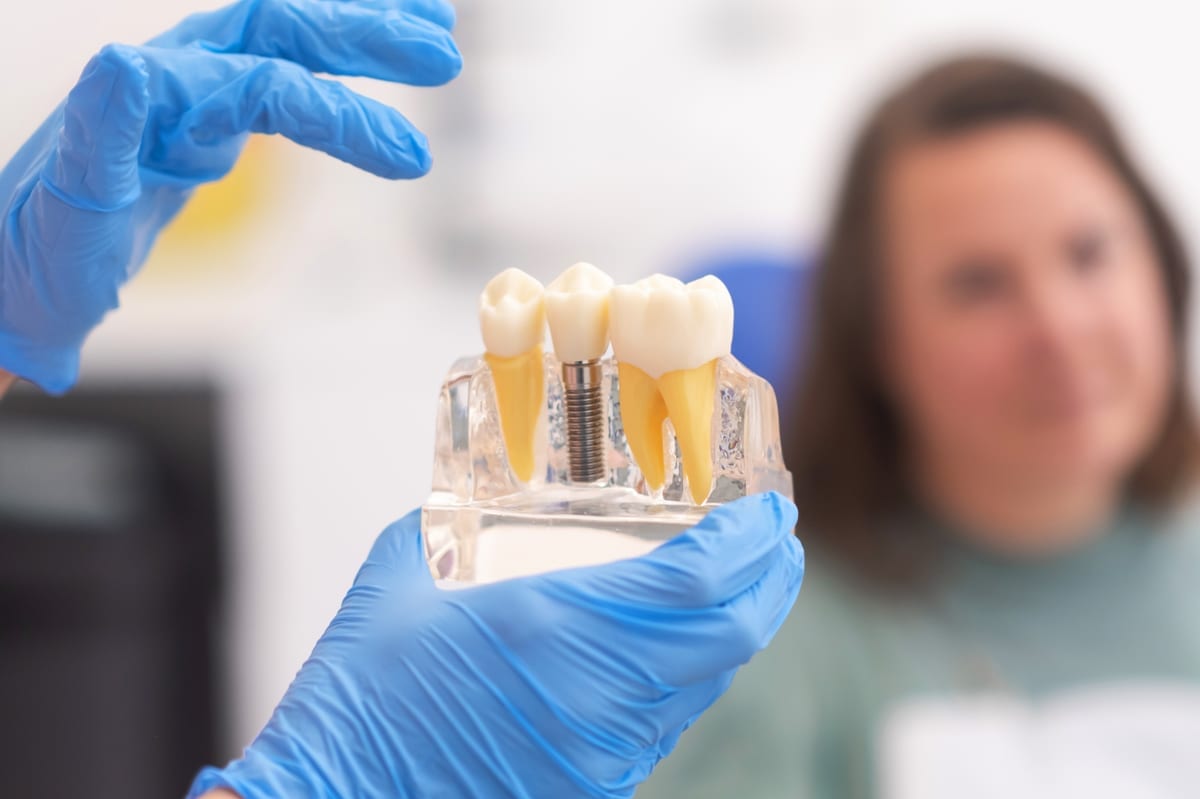
Dental Implant Recovery Guide in Oklahoma City, OK
If you’ve recently had dental implants placed, you probably have questions about what comes next. Understanding what happens after your dental implant surgery is key to a smooth recovery in Oklahoma City. At Oklahoma Implant and Sedation Dentistry, Dr. David Lawrence and our Dental Assistant Team Member are here to guide you every step of the way. Knowing what to expect makes the healing process far less stressful.
Your Dental Implant Recovery Timeline: What to Expect Week by Week
Recovery after dental implant surgery happens in stages. Most patients experience the most discomfort within the first 72 hours. Swelling typically peaks around day two or three before gradually going down. Understanding this timeline helps you plan and feel prepared.
During the first week, your body begins forming a blood clot around the implant site. This clot is essential for healing, so protecting it is a top priority. You may notice mild bruising on your cheek or jaw — this is completely normal. By the end of week one, most patients feel significantly better.
Weeks two through four mark the beginning of osseointegration. This is when the implant post starts fusing with your jawbone. This process can take several months to complete fully. Patience during this phase pays off with a strong, stable implant foundation.
- Days 1–3: Swelling, mild bleeding, and soreness are common
- Days 4–7: Discomfort decreases; soft tissue begins healing
- Weeks 2–4: Osseointegration begins; energy levels return to normal
- Months 3–6: Implant fully fuses with the jawbone
- Final stage: Crown or restoration is placed on the healed implant
Managing Pain and Swelling After Implant Placement in Oklahoma City
Mild to moderate pain after implant surgery is expected and manageable. Dr. Lawrence typically recommends over-the-counter pain relievers to control discomfort. Always follow the dosage instructions provided at your appointment. Prescription medication may be recommended for more complex cases.
Ice packs are one of your best tools in the first 48 hours. Apply them to the outside of your cheek for 20 minutes on, then 20 minutes off. This helps reduce swelling and numbs the area naturally. After 48 hours, switch to warm compresses to promote circulation.
Here are some helpful pain management tips to follow at home:
- Take prescribed or recommended medications on schedule — don’t wait for pain to peak
- Keep your head elevated while sleeping to reduce swelling
- Avoid aspirin, as it can thin blood and slow healing
- Rinse gently with warm salt water starting 24 hours after surgery
- Avoid touching the surgical site with your tongue or fingers
If you experience severe or worsening pain after day three, contact our office right away. Unexpected pain can sometimes signal an infection or implant complication. Early intervention is always the best approach. Our team is always ready to help you feel comfortable and confident in your recovery.
What to Eat During Your Dental Implant Recovery
Your diet plays a major role in how quickly and smoothly you heal. For the first several days, stick to soft, cool, or lukewarm foods. Avoid anything hard, crunchy, or chewy that could disturb the surgical site. Protecting the implant area from pressure is critical during early healing.
Good food choices during the first week include mashed potatoes, yogurt, scrambled eggs, and smoothies. Avoid hot beverages like coffee or soup during the first 24 hours. Hot liquids can dissolve the blood clot and slow healing. Room-temperature foods are your safest option early on.
As weeks go by, you can slowly reintroduce softer cooked foods. By week two or three, most patients can enjoy a more varied diet. Continue avoiding popcorn, nuts, hard candies, and chewy breads. Always check with Dr. Lawrence before transitioning back to a regular diet.
Long-Term Care Tips to Protect Your Dental Implants
Once your implant has fully healed, caring for it properly ensures it lasts a lifetime. Dental implants are durable, but they still require consistent daily maintenance. Brush twice a day and floss at least once using implant-safe floss or an interdental brush. Good oral hygiene prevents gum disease around the implant site.
Patients who choose Implant Dentures or single implants should schedule regular professional cleanings. Routine visits allow Dr. Lawrence to monitor the implant and surrounding tissue. Early detection of any issues prevents bigger problems down the road. Staying consistent with your checkup schedule is one of the most important things you can do.
A few long-term habits that protect your implants include:
- Avoiding tobacco products, which significantly impair healing and implant success
- Wearing a night guard if you grind your teeth
- Avoiding chewing on ice or using your teeth as tools
- Staying hydrated to support healthy gum tissue
- Reporting any unusual movement, pain, or discomfort immediately
Lifestyle choices directly affect implant longevity. Patients who maintain good habits enjoy implants that last 20 years or more. The investment in your implant is well worth protecting with smart daily choices. Think of your implant as a permanent part of your smile — care for it like one.
When to Call Dr. Lawrence After Surgery
Most implant recoveries go smoothly with proper care at home. However, certain symptoms signal that you should reach out to our team right away. Don’t hesitate to contact us if you notice anything unusual. Your safety and comfort are always our top priority at Oklahoma Implant and Sedation Dentistry.
Warning signs that require prompt attention include:
- Severe pain that worsens after the third day
- Excessive bleeding that doesn’t stop with gentle pressure
- Signs of infection such as pus, fever, or foul taste
- Visible movement or looseness of the implant
- Numbness that does not improve within a few days
These symptoms are uncommon but important to catch early. Our Oklahoma City team is available to address your concerns quickly. No question is too small when it comes to your recovery. We want your implant journey to be a success from day one.
Recovering from dental implant surgery takes time, but it’s absolutely manageable with the right guidance. Dr. David Lawrence and the entire team at Oklahoma Implant and Sedation Dentistry are committed to supporting you through every phase of healing. Whether you have questions about pain management, diet, or long-term care, we’re here for you. Book Now to schedule your appointment with our team.
Frequently Asked Questions
How long does it take to fully recover from dental implant surgery?
Most patients feel comfortable within one to two weeks after surgery. However, full osseointegration — where the implant fuses with the jawbone — can take three to six months. Your final crown or restoration is placed after this healing is complete. Dr. Lawrence will monitor your progress at each follow-up visit.
Is it normal to have swelling after dental implant surgery?
Yes, swelling is a completely normal part of the healing process. It typically peaks around day two or three and gradually decreases after that. Applying ice packs to your cheek during the first 48 hours helps reduce swelling effectively. If swelling worsens significantly after day four, contact our office promptly.
What foods should I avoid after getting a dental implant?
Avoid hard, crunchy, and chewy foods during the early stages of recovery. Hot beverages should also be avoided in the first 24 hours. Stick to soft foods like yogurt, mashed potatoes, eggs, and smoothies. Dr. Lawrence will advise you when it’s safe to gradually return to your regular diet.
Can I brush my teeth after dental implant surgery?
Yes, but do so very carefully and avoid the surgical site for the first few days. Use a soft-bristled toothbrush and brush gently around the implant area. Starting 24 hours after surgery, you can rinse with warm salt water. Maintaining oral hygiene is essential for preventing infection and supporting healing.
What happens if my dental implant doesn’t heal properly?
Implant failure is rare but can occur in certain cases. Signs include persistent pain, looseness, or signs of infection around the implant site. If you notice any unusual symptoms, contact Oklahoma Implant and Sedation Dentistry right away. Early intervention gives the best chance of resolving complications and protecting your smile.